Spectacular Akula!
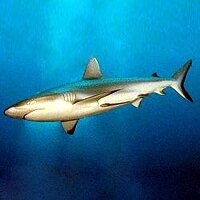
Akula - Shark
Last week I came across some reports about a new archaeological find in Southern Kyrgyzstan:
- Dinosaur-Era Shark Nursery Found
- Oldest Shark Nursery Found—Predators Lived in Lakes?
- Teeny teeth indicate ancient shark nurseries
- 230-million-year-old teeth reveal sharks’ adorable origins
- Sharks were once small, harmless fish – Indian Express and
- Unearthed shark nursery could be oldest ever.
Now, although Kyrgyzstan is a landlocked country, sharks, (akula in Russian), seem to hold a particular fascination for many people here. I remember a couple of my travels when I was someone from Kyrgyzstan and we happened to come across an Aquarium. It’s not normally my sort of thing, but on both occasions I was inveigled to go in with them. When we came to the sharks I had to try and photograph them with a shark … but the fish weren’t very cooperative and the lighting not very good. so the photos were pretty disappointing. I had visions that Roma, one of the tow friends, wanted to do a Spock – in “The Voyage Home”, the fourth Star Trek movie, the intrepid Vulcan jumps into the tank with Gracie the whale in order to perform a mindmeld with her. (OK – no comment!). Fortunately, there as no way Roma could do this.
Anyway, who would have thought that Madygen Formation in Southern Kyrgyzstan, one of the farthest points on land from any sea, would reveal that it was once a Shark Nursery?
Thanks to the National Geographic TV channel, I already knew what a “shark nursery” was. The existence of special locations where sharks seem to congregate in order to rear their pups is a relatively new discovery. The programme I saw of the topic had some fantastic photography, but what else would you expect from National Geographic?, of hundreds of sharks swimming around a small lagoon.
Well, the discovery of about sixty tiny sharp teeth, (just a millimetre long – they were all “baby teeth”, except for one which seems to have come from an adult), together with fossilized egg capsules in the extreme south west of mountainous Kyrgyzstan is being presented as evidence of what could be the world’s oldest known such phenomenon. They think that the finds date from Late Triassic period - a time when the earliest dinosaurs walked the Earth – as long ago as 230 million years ago. It is the fact that both eggs and teeth were found together suggest the possibility of a nursery.
Because the shark skeleton has a high cartilage content there are very few examples of fossilized shark remains, (although, apparently, there are impressions rather than actual fossilized remains), which means that this find, even with so few minute specimens still represents one of the biggest finds in history and is a palaeontologist’s ”dream come true”.
There are two different species represented, one of which died out not long, (maybe 30 million years), after these fossils were formed, the other becoming extinct about 65 million years ago, at the same time as the dinosaurs.
The scientists tell us that, this amazing fossil site is quite similar today as it was during the Late Triassic, except that there was a freshwater lake here ringed with conifers and horsetails and was home to at least two species of freshwater shark – something unknown toady as all modern day are marine creatures. The flora and fauna found in the sediments also suggest that the “nursery” was “nutrient rich” with evidence of other large predatory fish, amphibians and reptiles.
They speculate that fish may have grown to just feet in length, so they weren’t as large as many of today’s sharks. They seem to have been “bottom feeders” like modern day Nurse Sharks, consuming small shelled creatures such as crayfish or clams. These remains seem to have come from a shallow region but the adults may have lived in deeper parts of the lake.
According to the scientists, there are other interesting aspects associated with this discovery: the lake was a freshwater lake and although there is plenty of evidence for sharks modern day sharks utilizing a nursery system, ”there is no modern egg laying shark known to deposit egg capsules in a freshwater environment”; well preserved egg are very rare and one archaeologist even refers to then as “spectacular” the additional “capsule” which has helped to preserve them will lead other archaeologists to examine finds from other sites to see if there are other examples of such a feature that may have been overlooked before, and may point to things to look for in the future.





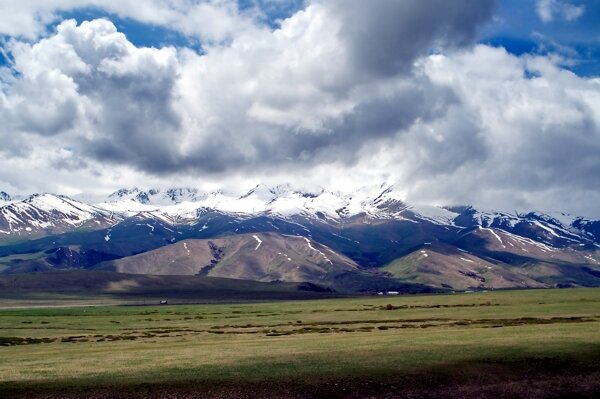


 Bishkek
And another article: http://chinleana.fieldofscience.com/2011/09/mesozoic-shark-nursuries-evidence-from.html
The original article in the Journal of Vertebrate Paleontology is freely available at: http://www.tandfonline.com/doi/abs/10.1080/02724634.2011.601729