A week of pancakes
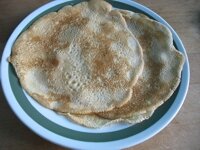
Last week was a week of pancakes …
It started on Monday when I had lunch with Tim from the UK and Marat from Uzbekistan in a café not far from the office. We ordered from the menu and then the waiter suggested, that we might like to order some pancakes, (bliniy), as it was Maslenitsa.
That took me by surprise, because Maslenitsa is an orthodox festival, tied in with Easter and lent, but the Uzbeks are, nominally at least, Muslim. However, as in so many cases, the religious significance is often overlooked and it has become as much of a social or folk event. In the days of the Soviet Union, as with all religious holidays, it was not observed except in homes where the family members were believers. On the other hand, it was widely observed as a sort of folk festival. Following Perestroika and the break up of the Union, especially as many people are returning to the Church, the holiday is becoming more prominent.
Fortunately, because some of our staff are Orthodox Christians, I knew what this meant. As it happens, I had already been treated to a portion of pancakes, prepared and presented to me by one of my neighbours, during the course of the morning.
Maslenitsa is sometimes known as Butter, Pancake or Cheese fare week. It is similar to Shrove Tuesday in the Western tradition. It is celebrated during the last week before the start of Great Lent … that what the Orthodox call the forty days of fasting before Easter, hence the alternative names.
During the week, Orthodox Christians forego meat although meat and dairy products are permitted. Technically, however, during the period of Great Lent itself, these are also prohibited for those that undertake the fast, along with fish, wine and olive oil and all forms of partying, secular music, dancing and such. So, this week offers the last chance to celebrate and “enjoy” yourself for the month leading up to Easter.
Many Russians use the opportunity to make pancakes with all sorts of fillings or sauces, honey, Smetana (or sour cream), fruit and so forth. Tim, for example, chose a fruit sauce, and I chose to have honey with mine.
Once again, as is so common – such as with many of our Christmas traditions, many of the festivities associated with Maslenitsa seem to combine pagan elements which are given a Christian significance. For example, it is thought that the large golden circles made by the pancakes reflect images of the sun and Maslenitsa is often associated with the beginning of Spring – even though in the Orthodox Church the dates can vary considerably as the date of Easter “moves” and can be anywhere in a five week period.
The revival of Maslenitsa hasn’t yet, at least not here in Kyrgyzstan, included a resurrection of some of the outdoor celebrations that used to be traditionally associated with the holiday, such as: masquerades, snowballing and sledging, (although this year it’s been pretty cold and we’ve had plenty of snow lying around), and bonfires on the last night when effigies of the Virgin Mary were burned on bonfires and the ashes buried.
The last day of the week is known as Forgiveness Sunday and is one of the marks that indicate the Christian adoption and adaptation of the holiday. It is supposed to reflect a desire for God’s Forgiveness that is central to the Easter message. Of course, in Christian theology, “sin committed has to be sin acknowledged before it can be sin forgiven” and so, on this day, during services members of the congregation are supposed to prostrate themselves before each other and ask forgiveness for any wrongs that they might have committed during the year. I am not sure how many of them actually prostrate themselves, but people do go around and apologize and asking for forgiveness.
One of my neighbours, for example, made a point of coming in and saying “if I have caused you any offence or upset you in any way in the last year, please accept my apologies and forgive me.”
This even spread to the internet … On Twitter I saw the following post:
Today is prosheyonoye Sunday, (Forgiveness Sunday), time to ask for forgiveness from people we have hurt, but not only, time to forgive all around …
The next day, today, is the first day of Great Lent proper, and is known as “Clean Monday” … everyone starts the fast with a clean slate.
Given what we’ve experienced in the last year, even the Muslims, Communists and Atheists amongst us must have some sympathy with and understand the need for that.




 Bishkek