The camera never lies … or does it?
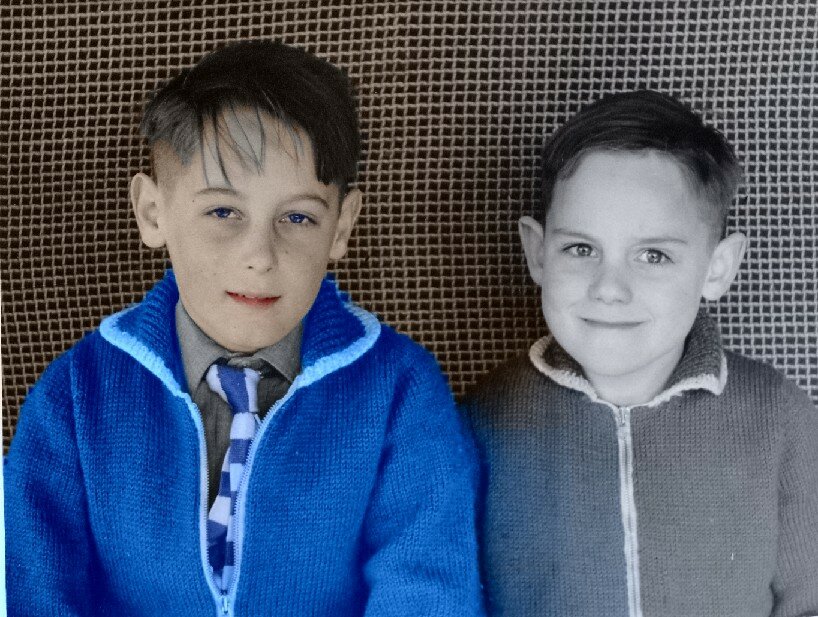
On the left – my brother “recoloured” in his school uniform and, on the right – me in mine … but in glorious Black and White … apart, that is, from the wash seeping across from the editing.
There is an old saying the The camera never lies … but I am not so sure …
In the “good old days”, photographs were taken on film, (which was a precious commodity), and time was required to develop the negatives and print the final product. To get a succesful photograph one had to take into account a tremendous number of factors … skill and experience was needed, and although it was possible to “doctor” the final images … that required a lot of effort and very few people did it.
Of course, some people did. The Soviets made great use of either erasing someone from history, (such as Trotsky who, once he had fallen from grace, was removed from pictures where Lenin was giving speeches), or added, (such as Stalin, who was inserted – or moved so that he was closer to the Great Vladimir Illych).
Lighting and composition were important … and they still are today in the Digital Age, but today one can take hundreds of photographs in rapid succession, rejecting the ones that don’t meet your exacting standards, or edited; cropped; rotated if is is a little askew; the lighting and colour adjusted – for example, to suit a particular mood or atmosphere; unwanted elements airbrushed out and, maybe, some other desirable elements added.
The photographs can also be textured – to appear like an oil painting on a canvas, (indeed, in various different styles or genres); or to appear as a stained glass window, a pencil sketch or embroidery … and so on.
The other day I was in the hotel and picked up some magazines that were lying around in the lobby to tidy them up and make the place more orderly. One of the magazines was a “lifestyle magazine” with articles on a variety of topics such as interior decoration and fashion and a member of staff uttered a surprised gasp, pointed at the person whose portrait graced the front cover. ”I know her,” she said, “I went to college with her. I knew she also did some modelling but … well …”. After the usual compliments about how krasivaya, (beautiful), her friend was, she made the observation that it couldn’t be a real photograph … it was too perfect.
I do not like having my photograph taken at the best of times … I always say that I am not particularly photogenic and there is something about the presence of a camera makes me feel uncomfortable and that, in turn, inhibits my posture, my actions, my speech … and so on. This reluctance seems to have been a family trait going back over the last three generations – the ones that have been exposed to the wonder of photography.
As an aside: One of my nephews seems to love having his photograph taken … which are then widely distributed by social media – even the “funny”, less flattering ones. My other nephew, on the other hand, appears to be much more reserved – I think I have only ever seen two photographs of him in all the time I have been out here.
When I has to have some photographs taken for a particular project, I reluctantly agreed but made a point of apologizing to – and sympathizing with – the photographer. Her reaction was that there is no such thing as a non-photogenic model …
Professional photographers often do that, take the photograph and work on it to make sure that it is not just a “good” image, but a “great” one clean, without blemish and conveying the right sort of mood and message that they have been engaged to conjure up.
As an aside: there are also photographs who seek to convey the realism of the picture as a “documentary” image, and they welcome the blemishes – well. within reason.
Maxim, for example, spends more time before and after a “photo session” – planning his compositions and gathering the necessary accouterments before the session, or on going over the photographs, selecting and preparing his images afterwards … (cropping them, cleaning up the blemishes and adjusting the hue if it doesn’t quite match his exacting requirements) … than he does with the camera in hand.
Some years ago I was talking to a photographer who had a really nice photograph of a yurt in a mountain jailoo, but parked at the side was an old, decrepit looking Zhigulu vehicle. When I said something like “what a pity …” he said, “wait a moment” and pulled up another copy of the picture … without the offending eyesore. My first thought was, “How clever to get the owner to move the car … that’s the value of experience – knowing what makes for a good shot – and what is necessary to make it a Great one.” Then I realized … it wasn’t a second photograph at all … true, the car was not there but the people were … in the same places and holding the same poses.
That made me wonder how many of the striking photos that we see in advertising brochures – of everywhere in the world … not just Kyrgyzstan … are similarly touched up, Do they give a realistic and true image of the place that they claim to depict?
That raises an interesting philosophical or ethical question … exactly what sort of editing is acceptable?
I suppose, it rally all boils down to intention. If it is a case of trying to deliberately mislead the public, to lie, then that seems wrong, but if it simply a case of trying to present the best image, smoothing over the “rough patches”, the imperfections, then this is probably acceptable. Maxim, for example, tries to create a work of Art, rather than trying to mislead in order to obtain some nefarious target.
One of the problems that we have, for example, when it comes to taking photographs of the hotel is that to get a really good picture of the hotel as a whole, one has to stand at some distance from the building … meaning that apart blocks in the middle distance become visible … or, worse, a unfinished construction site which has been been standing idle ever since I came back in 1995 … and then there are telephone wires that stretch across the frontage, not exactly obscuring the view but definitely detracting from it.
After all, I see know problem with using a fisheye or wide angle lens in order to capture the whole of a scene in a single manageable image rather than having to take a number of separate images; I have no problem with using additional artificial light to supplement the available natural light, whether it be a Flash or special lamps; or the use of special, coloured, filters to help create a desired effect.
On the other hand … I am not particular keen on airbrushing out the apartment blocks … although I see no problem with “cleaning” the image by airbrushing away the telephone wires.
.
One of the trends that has recently become “all the rage” is to colourize some old black and white photographs, in an attempt to breathe new life into them. . I’ve seen such photos of London and New York, of the Titanic and sporting events. Last week saw some of the D-Day Landings, all given the special treatment. There seems to be a whole industry dedicated to colourizing photographs of the American Civil War: from battlefields to city street scenes; from Abraham Lincoln and Robert E. Lee.
These photographs seem to be quite striking; they grab the attention, partly because they are so unexpected. Bow Black and White photographs are quite useful. The create an atmosphere and present scenes in a stark and direct manner. Colour photographs, on the other hand carry a sense of vibrancy, realism and actuality.
For the record – The colour photographs of Sergei Mikhailovich Prokudin-Gorskii, (1863–1944), are of particular interest, providing a vivid portrait of a lost world, the Russian Empire of the early 1900s – in the period leading up to World War I and the coming revolution. With the support of the Tsar he traveled throughout various regions of the empire in a specially equipped railway car, taking photographs which ranged from the medieval churches and monasteries of old Russia, to the railroads and factories of an emerging industrial power, and the daily life and work of Russia’s diverse population.
His photographs of Central Asia, including the portrait of the last Emir Bukhara offer a fascinating a fascinating view of a world gone by. He took photographs using his specially designed equipment which took three images through different coloured filters which then had to be projected through similar lenses to recreate the image. (A short illustrated description of the process can be found on the Library of Congress website along with many examples from their Exhibition dedicated to their collection of the photographs.)
This process was not easy and the advent of colourizing digital photographs led to a project to bring the photographs back to life and to a wider audience. Some of the images can be seen here.
These days there are a number of programmes available on the market to help the photographer edit their pictures. Personally, I have needed the more advanced features that such image editors offer, limiting myself to just the resizing and colour correction options, (such as adjusting the brightness or contrast), but I have often wondered what some of my black and white photos might benefit from such a recolourization.
I have, however, always been put off trying because the process looks complex, fiddly and time consuming. Here, for example, is a tutorial from youtube about the process using Photoshop:
I doubted if I would have the patience necessary to achieve the sort of results that I have seen on line – such as in the photographs of Lincoln and the American Civil War. The other day, I cam across such a link to one such program, Recolored, which claimed and downloaded a version of one such program which claimed to “perform the otherwise difficult and time consuming task of coloring the image and creating smooth transitions between different colored objects.”
So I decided to download it and give it a go.
Here are some of my first results using some of the photographs in the galleries on ianbek both “before” – in black and white – and after – in colour:


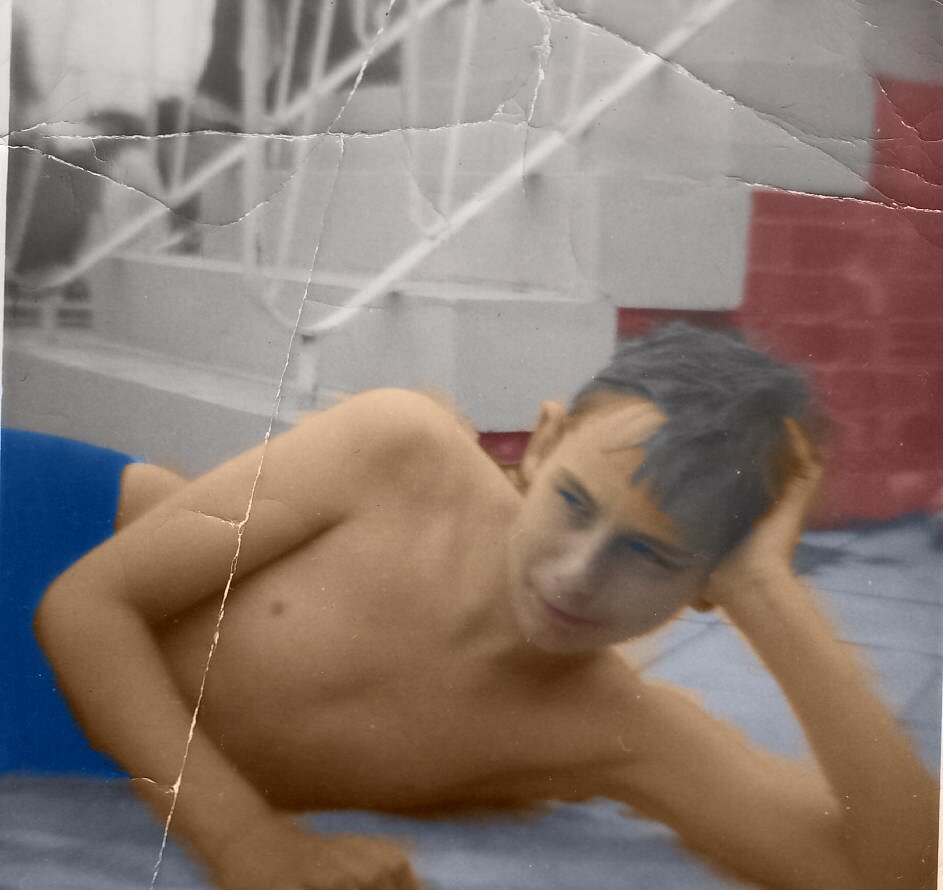
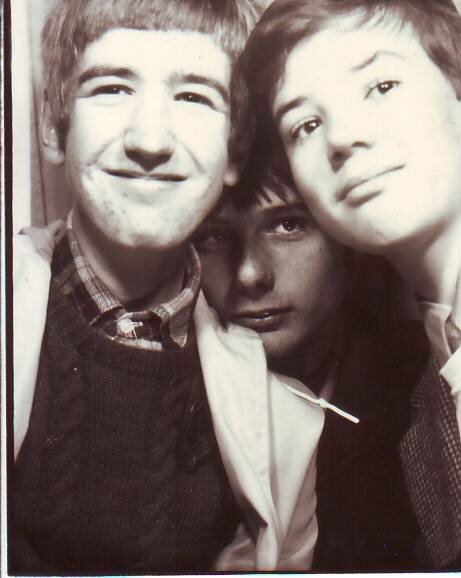


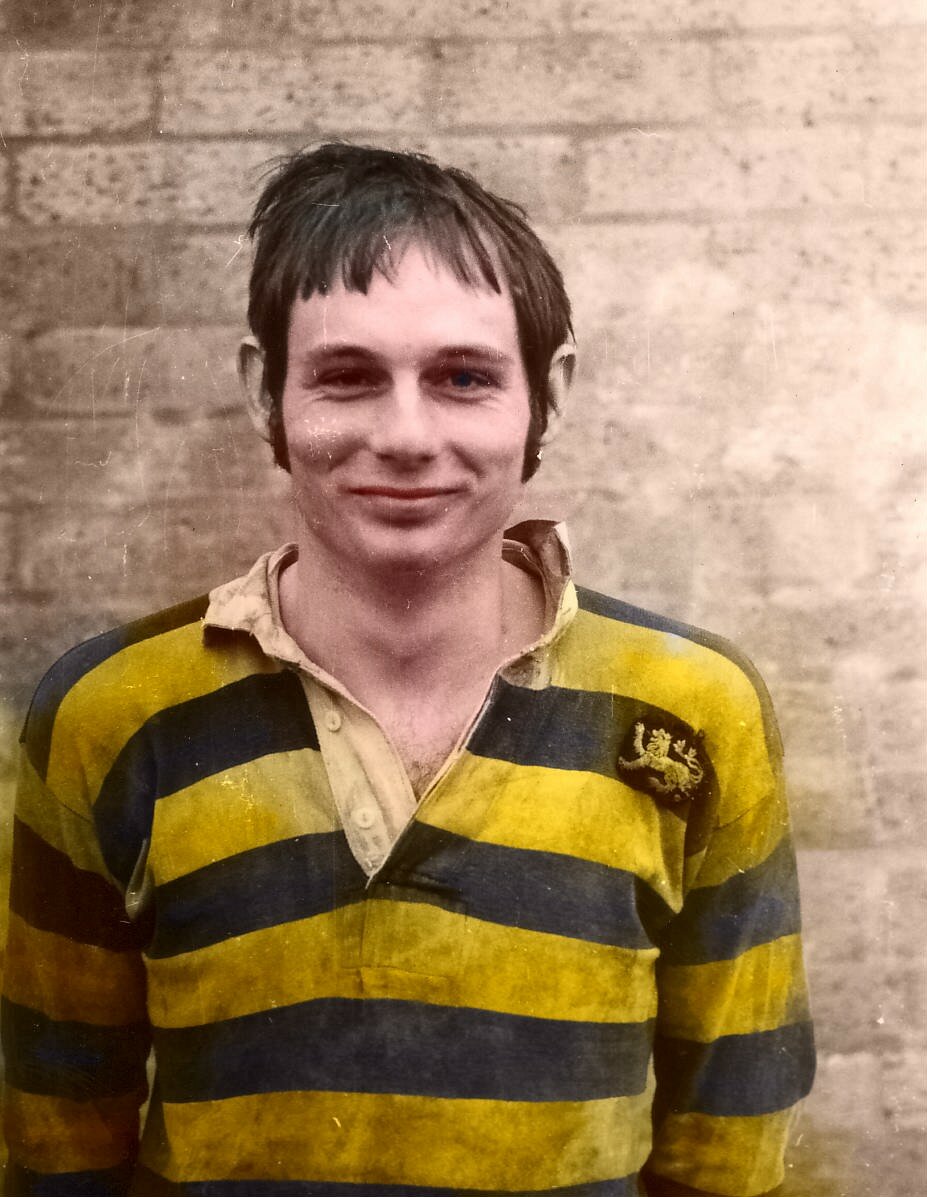
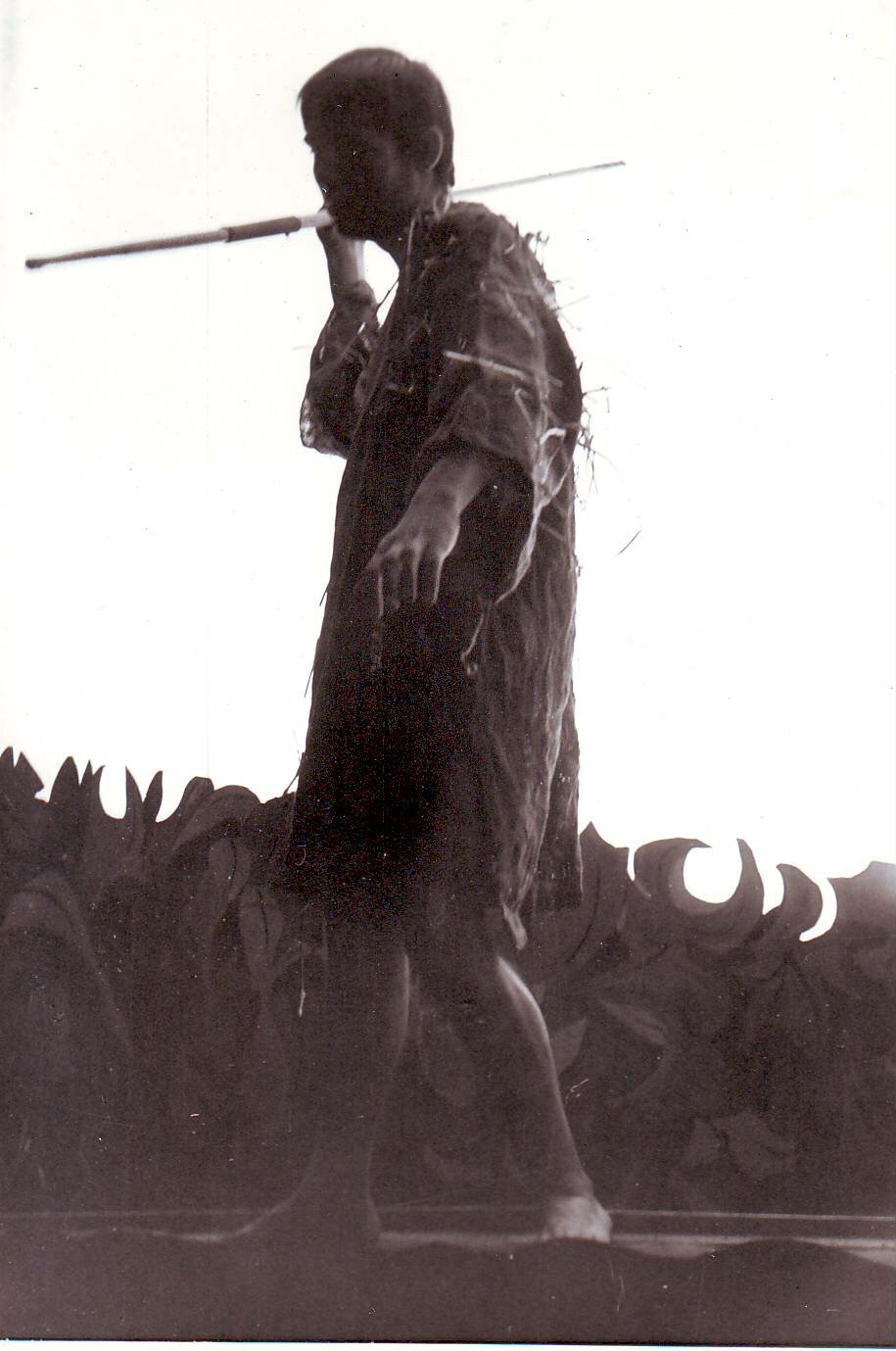


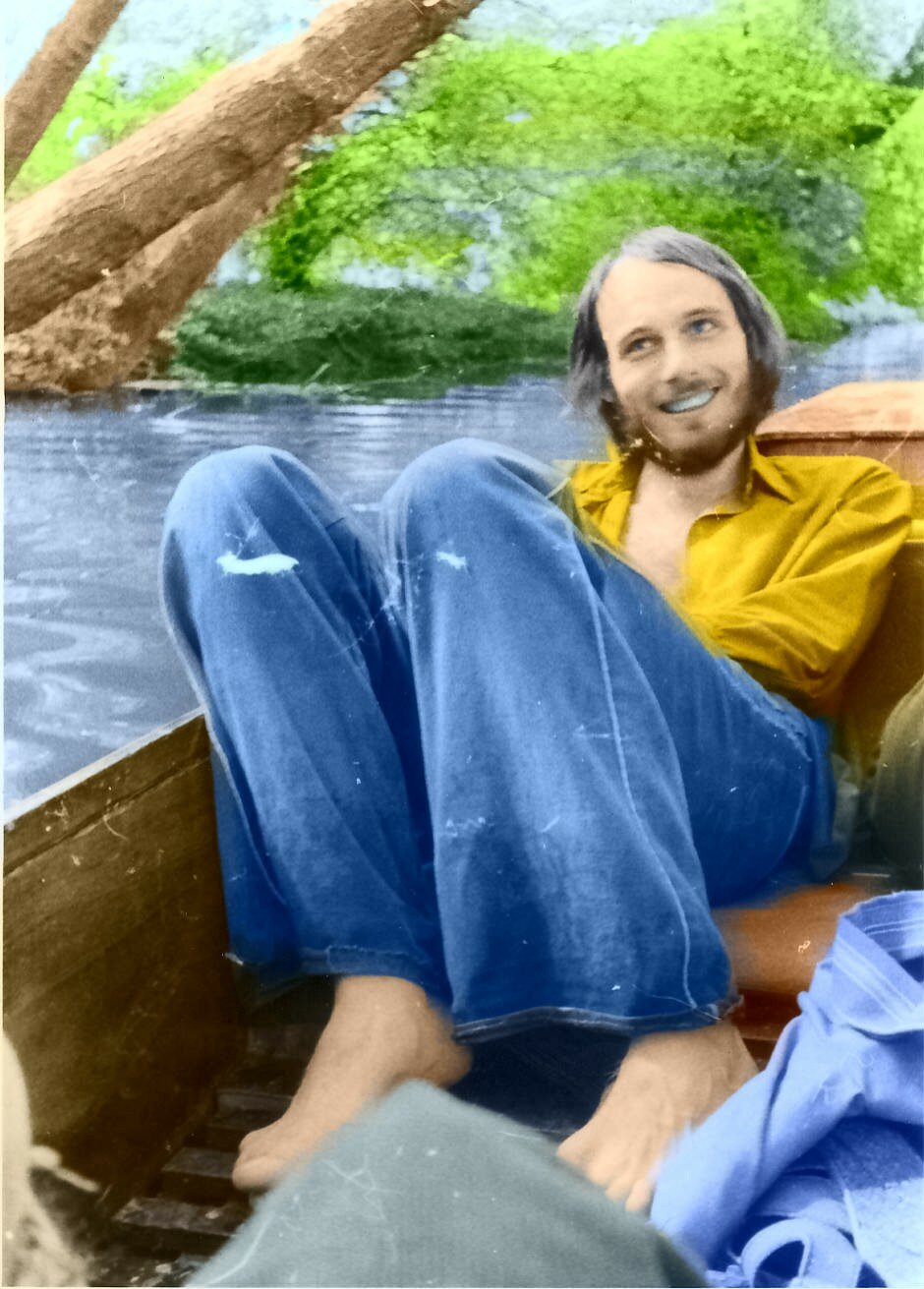
Although some of the examples seem a little crude, (such as the foliage in the background of the punting photograph … as the original scans were not of a particularly high resolution or quality,the more detail in the photograph, the finicky the task of selection an “painting” – or colourising), I was impressed at how relatively easy it proved to be. This represents just a couple of hours of “playing”, (sorry, experimentation), with the software … I can see that with the attention to detail in the approach by Mads Maddsen in the youtube tutorial much better results could be obtained.
The biggest problem I found was getting the lips and the eyes right.
The software is not that expensive – just USD29, so after my trial period expires, if I am still inspired, I might well see about purchasing the package … but, in the meantime, I thought it was worth sharing.





 Bishkek
Loved the photo of you and [your brother] in your postcard. Never saw that one before. How is he?
Cheers
I am impressed – I didn’t know that you stalked me here on ianbek … Anyway – I’m glad you liked it …
(the program is quite easy to use once you tried it out on a few trial pictures … just avoid any with too many fiddly details).
He is well – we only hear from from each other about two or three times a year … but, the last time that I heard from him, he was well.
Thanks for asking!
Hi Ian, I don’t believe you wore a bright yellow shirt like that one.
As it happens, yes I did! … it was my favourite shirt for a long time – but it was more of gold than “bright yellow”. I can’t remember, however, if I was wearing on that day.
Actually, I made the jeans too bright, If I remember correctly they were probably a bit pale – like washed denim … with a tear in the knee.