Staying Healthy whilst on the move …

Staying Healthy whilst on the move
Although holidays are usually thought to be for rest and relaxation - travel can be somewhat stressful.
It is sometimes surprising how tiring a journey can be – even just sitting on a plane flying from A to B. A journey is never a simple thing – there are the pressures of packing, (what to include, what to leave out, trying to get everything into a small bag – and within the weight limit); the hassle of traveling to the airport, (making sure you get there in plenty of time for check in); then having to ”hang around” waiting in queues, (or otherwise); dealing with airport security measures; worrying about delayed or cancelled flights, and the possibility of lost (or “delayed” baggage).
To try and avoid this stress, one seasoned traveler offers the following advice:
- Set a budget and choose a holiday to fit it … so you don’t have to spend your time “counting the pennies”.
- If possible, choose your travelling companions carefully – even the best of friends can “fall out” when they spend long periods together …
- If you want to escape from having to make day-to-day decisions, consider an all-inclusive package deal - and hand the responsibility for them to your tour operator …
- Consider a “thematic” tour – especially if you are travelling alone – where you will meet like minded individuals …
- Travel light – and pack simple combinations …
- Leave your valuables (jewelry, etc.) at home …
- Give yourself plenty of time … for example: arrive early at the airport …
- Don’t try to cram too much into the itinerary … it may be the only time you visit somewhere like Kyrgyzstan – but maybe not … and you’ll less exhausted, be more relaxed and likely to get far more out of a more leisurely approach …
- Plan for the unexpected – for example, a delayed flight … have something to do while you are waiting (such as have something to read), and don’t plan for important (“not-to-be-missed”) meetings on your first day back from holiday …
- Learn to “Relax, and go with the flow” …
One of the biggest sources of stress is dealing with health problems – anything from an upset stomach, toothache, to being hospitalized … having to cope with communicating in a foreign language and not forgetting the expenses incurred … so I thought it would be appropriate to consider the advice that we offer on Healthy Traveling:
This information is based on guidelines and is given on an “as is” basis – please note that I am not a doctor and so cannot give advice on medical matters … travelers should always seek professional advice about particular issues from a qualified person – a medical practitioner such as their doctor or “travel clinic”.
Also, please remember that under Kyrgyz law, all tourists must have insurance to cover the cost of medical treatment.
General Points:
-
before departure:
- visit your doctor to find out if any vaccinations or health checks are required
- if you are prescribed malarial medication, take it as prescribed – prior to leaving, while in risk areas and when you return
- make up a small medical kit. Include items such as headache tablets, antacids, antiseptic lotion, cotton wool, band-aids, latex gloves, safety pins, sunscreen and an appropriate insect repellent.
- Plan your itinerary so that you “pace” yourself:
- Think about jet lag. It will affect you less if you fly west.
- Build in periods for rest and recuperation
- Don’t over-exercise, especially in hot weather.
- visit your doctor to find out if any vaccinations or health checks are required
-
while travelling:
- keep important medication with you in case your luggage goes missing
- be aware that items such as pins and tweezers cannot be taken on board in your hand luggage
- take enough medication with you to cover the length of the trip – it may not be available overseas
- keep taking your prescribed medication
- where local tap water is not safe, drink plenty of bottled water (also use this to brush your teeth) and always check the seal on the bottle
- avoid ice in cool drinks – it may not be pure. (Freezing preserves germs, it does not kill them )
- beware of uncooked food including salads and fruit that you cannot peel
- wear comfortable shoes, a hat and sunscreen for sightseeing
- wear a pair of thongs when showering
- practice safe sex – HIV/AIDS and other sexually transmitted disease are widespread in many countries.
-
upon your return:
- continue any courses of treatment which you have started – e.g. for malaria
- if you fall ill shortly after you return home – consult your doctor and tell them where you have been.
Inoculations:
Technically, at the time of writing, none are required … however; you may want to consider
- tetanus,
- diphtheria,
- cholera and
- typhoid
inoculations to be on the safe side.
The Centre for Disease Control in Atlanta also recommends (according to age)
- Hepatitis A and B, and
- Rabies (“if you might be exposed to wild or domestic animals through your work or recreation”.)
However, please ask your doctor or local Travel Clinic about these and other possibilities.
First Aid Kit:
If you are putting together your own “First Aid Kit” to bring with you, then you might want to consider the following suggestions for what should be included, which is taken from the British Foreign and Commonwealth Office:
- Bandages – triangular, and crepe bandages, and absorbent wound dressings;
- Mixed sticking plasters and surgical tape;
- Wound closure strips;
- Antiseptic cream;
- Iodine to irrigate wounds;
- Tweezers, scissors, safety pins, thermometer and a magnifying glass;
- Scalpel and blades;
- Syringes (2x5ml) and needles;
- Sun screen;
- Insect repellent;
- Calamine lotion for insect bites and stings;
- Anti-histamine tablets/cream;
- Anti-diarrhea tablets;
- Re-hydration sachets for treating diarrhea and dehydration;
- Aspirin or Paracetamol;
- Water sterilizing tablets
Jet Lag:
Jet Lag is a term for the affects suffered by travelers when crossing several time zones, typically .tiredness, insomnia, general malaise and nausea It is thought that it results from the body’s biological clock (sometimes referred to as the diurnal clock) being “put out of synch” by the rapid change of time zones. Some sources suggest that it is worse for people traveling East into the sun, rather than when traveling West. As there are very few air connections to Bishkek from the East, most people will probably be traveling East and so susceptible to this.
There are tablets available in some Western countries that seem to be quite effective for some travelers – but the general advice seems to be a combination of:
- Drinking lots of fluids – not alcohol
- Eating light meals
- On arrival try to get as much light and adjust your daily routine (meals, sleep, etc.) to the time zone in which you have arrived. For example, don’t keep asking yourself “what time is it at home? …” and reminding yourself how long you have been awake … try to stay awake and go to sleep at the same time as you normally would at home – but according to local clocks, not the clocks at home.
Travel Sickness:
Travel sickness is often belittled by those who have never suffered it, whilst dreaded by those who regularly suffer from it. (Many journeys in Kyrgyzstan cover long distances and the roads are not always very good – so motion sickness can be a real issue for people visiting Kyrgyzstan.)
Motion sicken is a disturbance of the sense of balance and equilibrium as a result of different kinds of motion. (For example, if you are sitting in a moving car reading a book, your inner ear detects the motion of your travel, but your eyes see only the stationary pages of your book.) This confuses your central nervous system and brings on nausea.
There are various “treatments” suggested by travellers … including “over-the-counter” medications and treatments such as patches, tablets and acupressure hand bands. Other practical ideas include letting the sufferer have the front seat; watching the horizon; not reading; taking sips of water; lie down and sip water until the stomach settles; going to sleep, (if you can); sucking peppermints (or ginger tablets); sit facing the direction of travel; try to get fresh air – e.g. keep the car window open; avoid spicy or greasy foods, alcohol and carbonated drinks; eat light meals before and during the journey and don’t watch or talk to another person who is experiencing motion sickness.
Deep Vein Thrombosis:
Many visitors to the Kyrgyz Republic face a long flight. A problem which has to come public attention in recent years associated with long distance flights is that of Deep Vein Thrombosis (or DVT). This is a condition involving the formation of blood clots in the veins of the legs and is thought to arise from prolonged periods of inactivity.
Actually, DVT may be associated with other forms of long-distance travel (e.g. by road, or rail) which involve prolonged periods of inactivity – but it is particularly associated with flights.
To minimise the risk of DVT, it is recommended that you:
- drink plenty of non-alcoholic, non-caffeinated fluids
- regularly exercise the lower limbs to encourage blood flow
- wear loose, non-restrictive clothing and avoid crossing your legs
- avoid using sleeping tablets or other sedation in flight
There is a range of other risk factors which affect the onset of the condition, including increasing age, obesity, pregnancy, cancers and heart disease, recent surgery or lower limb injuries, and use of oral contraceptives or hormone replacement therapy. If you are in one or more of these higher risk groups, we recommend that you consult a doctor before flying, who may recommend that you consider other measures such as elastic support stockings, aspirin, or other medication.
Medication:
If you are taking medication for an existing condition, then don’t forget to bring it with you – bring enough for your trip, do not rely on being able to find it here in Kyrgyzstan. Although many medicines are imported, you cannot rely on them being available, especially in rural regions.
It would be a good idea to carry a copy of your prescription.
In some countries, it is an offence to carry (or post) certain medicines abroad unless they are for your personal use, or the use of someone travelling with you. In Kyrgyzstan you can bring medicines for your own use – adequate for the purpose and length of stay – but not so much that it might appear that you carrying them for someone else – or for sale.
Remember that medicines which you can obtain at home, even some of those which are available “over the counter”, may not simply be unavailable in some parts of the world, they may even be illegal. We don’t anticipate any problems in the Kyrgyz Republic in this respect – but, if in doubt, check.
Leave medicine in its original packaging so it is clearly labelled with your name and dosage instructions.
If you have to inject medication it might be preferable to carry your own needles and syringes but you should check on the regulations in the countries you are visiting, (and check with the airline before you travel and if necessary, arrange a letter from your doctor explaining why you need to carry them.)
It is important to be aware that some items purchased overseas may be packaged under a different brand name to those available at home. Even where the names are and packaging seem similar, or even identical, to that used at home, keep an eye on the strength and active ingredients of similar-sounding medications abroad – they can vary.
Traditionally, in Kyrgyzstan, herbal remedies are commonplace.
If you wear a bracelet/medallion etc. indicating particular health problems that require special emergency treatment see about the possibility of translations.
…. and last, but not least:
Insurance:
Under Kyrgyz law – every tourist needs medical and accident insurance cover.
You can buy travel insurance in Kyrgyzstan but we recommend that you have your own travel insurance should you fall ill or need emergency medical treatment while in Kyrgyzstan (or elsewhere on your trip). Kyrgyzstan has reasonable doctors but hospital facilities and equipment (and medicines) are often poor, hospitals are sometimes overcrowded and dirty and generally simply not up to Western standards.
Mountain rescue services will not turn-out unless there is pre-payment or guarantee of payment.
Additionally – as any responsible tour firm would – we also suggest that you should also consider taking out your own comprehensive insurance for delays, missed flights, your cancellation, your change of plans, loss of baggage, etc.
Most travel insurance policies do not cover drink or drug related incidents … so be careful what you drink – and never become involved with drugs (which are illegal – and carry serious consequences – in Kyrgyzstan). There have been a growing number of news stories in Britain (and elsewhere) concerning people who discovered that their travel insurance did not cover their costs because the people had been drinking …
As the British Foreign and Commonwealth Office advise on their website :
If you can’t afford the insurance, you can’t afford to go.





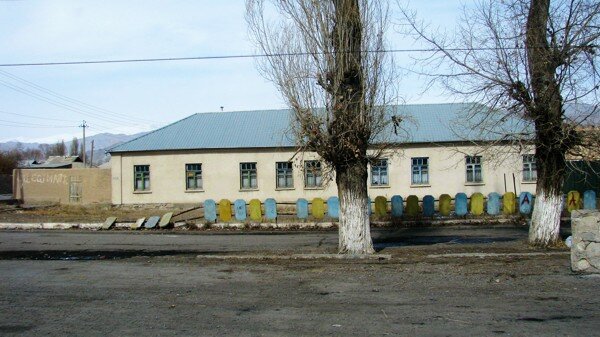

 Bishkek