Mairamynyzdar Menen!
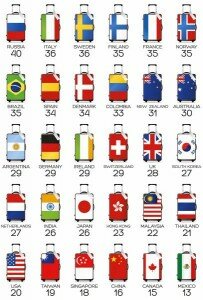
Holiday entitlements in different countries
During recent years, as public holidays have approached, banners and signs have appeared bearing the slogan “Mairamynyzdar Menen!”
It’s obviously in Kyrgyz, so I asked a Kyrgyz member of staff what it meant – and was told that it’s the Kyrgyz equivalent of the Russian “Se Prazdnikom!” … “with the holiday!”. It turn, this is an abbreviation of “Pozdraliyou se prazdnikom!“, or “I congratulate you with the holiday!”.
Sometimes, this general phrase is replaced by the name of the holiday; something like “Se pervova Maiya!“, “with the First of May!” or “”Pozdraliyou se pervova Maiya!“, “I congratulate you with the First of May!”
I am often asked for how we say this or that phrase in English and a common request is for the English equivalent of “se prazdnikom!”. I try to explain that we don’t really have an equivalent universal phrase that can be used for any holiday – but probably the best equivalent is “Happy …” as in “Happy Christmas”, or “Happy Easter”. There is a general phrase, “Happy Holidays”, but this tends to be used mainly for the extended period surrounding Christmas and New Year.
Public Holidays, of course, are Non-working Days … in the UK we tend to call them Bank Holidays, (which seems to emphasize the role of the financial services sector on life in Britain). As it happens,
in the UK, there is no automatic right to time off on these days, although banks do close and the majority of the population is granted time off work or extra pay for working on these days … depending on their contract of employment.
Not all businesses, however, can simply close down … for the day – Hotels, for example, not forgetting the emergency services … and in these days multinational companies operating in a ”global village” and having to work “round the clock” and yet also having to accommodate public holidays in lots of different countries. These days, many large shops open on bank holidays, when most people have a day off for shopping, heavily advertising sales and bargains. That’s the reason why most employers grant their employees extra pay if they work on public holidays.
For the record: The first official bank holidays were the four days named in the Bank Holidays Act 1871, but today the term is used colloquially, (albeit incorrectly), to refer public holidays which are not officially bank holidays according to the Act, for example: Good Friday and Christmas Day.
Not long ago I was intrigued to see an article with the headline: “Americans receive half the amount of vacation time of Russians“, which offered a summary of “paid and public holiday entitlements across the globe”.
You will probably have gathered that the article appeared on an American website … but I have seen similar outraged headlines in the Canadian and Irish press.
It referred to a recent survey by the website Hotels.com, that looked into the levels of statutory holiday entitlement and public holiday allowances in several countries, The US came in 25th place (out of 30 countries surveyed), with 20 days of paid holidays, comprising: an entitlement to 10 days annual leave and 10 public holidays. Russia topped the list with 40 days off: 28 days of annual leave entitlement and 12 public holidays. … So, that’s where the headline came from.
To make matter worse … the press release from Hotels.com made reference to recent research which suggests that many Americans do not take their full holiday allowance.
I often say that the problem with statistics is that they seem to raise more questions than they answer …
Here’s a copy of the table of results:
| Rank |
Country |
Annual leave |
Public holidays |
Total |
|
1 |
Russia |
28 |
12 |
40 |
|
2 |
Italy |
24 |
12 |
36 |
|
3 |
Sweden |
25 |
11 |
36 |
|
4 |
Finland |
25 |
10 |
35 |
|
5 |
France |
25 |
10 |
35 |
|
6 |
Norway |
25 |
10 |
35 |
|
7 |
Brazil |
30 |
5 |
35 |
|
8 |
Denmark |
25 |
9 |
34 |
|
9 |
Spain |
22 |
12 |
34 |
|
10 |
Colombia |
15 |
18 |
33 |
|
11 |
New Zealand |
20 |
11 |
31 |
|
12 |
Australia |
20 |
10 |
30 |
|
13 |
Argentina |
10 |
19 |
29 |
|
14 |
Germany |
20 |
9 |
29 |
|
15 |
Ireland |
20 |
9 |
29 |
|
16 |
Switzerland |
20 |
9 |
29 |
|
17 |
UK |
20 |
8 |
28 |
|
18 |
South Korea |
15 |
12 |
27 |
|
19 |
Netherlands |
20 |
7 |
27 |
|
20 |
India |
21 |
5 |
26 |
|
21 |
Japan |
10 |
16 |
26 |
|
22 |
Hong Kong |
7 |
16 |
23 |
|
23 |
Malaysia |
8 |
14 |
22 |
|
24 |
Thailand |
6 |
15 |
21 |
|
25 |
USA |
10 |
10 |
20 |
|
26 |
Taiwan |
7 |
12 |
19 |
|
27 |
Singapore |
7 |
11 |
18 |
|
28 |
China |
5 |
11 |
16 |
|
29 |
Canada |
10 |
5 |
15 |
|
30 |
Mexico |
7 |
6 |
13 |
The press release that accompanied the table, for example, was not exactly clear … saying that “… on average, most Americans receive …” and I think it is reasonable to ask why they were “hedging” with phrases like “on average” and “most Americans” … As it happens, I think that I can understand this as not everyone works under the same terms and conditions. Not everyone works the same number of days each week – some people work a five day week and others work a six-day week (usually, with a shorter working day) … and then there are part-time workers.
That point is made clear on the webpage of the British Government which outlines statutory holiday entitlement in the UK, but that gives me a problem because it states that “Almost all workers are legally entitled to 5.6 weeks paid holiday per year (known as statutory leave entitlement or annual leave)“, although that is “capped” at 28 days … but that is paid holiday … and does not include public holidays.
Under English law, “Bank or public holidays do not have to be given as paid leave. An employer can choose to include these holidays as part of a worker’s statutory annual leave” or make a additional payment for working on that day.
If the employee is happy to accept bank holidays as unpaid leave, then they are entitled to a total of 36 days off … 28 paid and 8 unpaid bank holidays … and Britain would have been on a par with Italy and Sweden.
The situation here in Kyrgyzstan is that according to the legislation:
- Employees are entitled to 28 calendar days paid leave , (although for some groups of workers it’s 30 calendar days). … that is 4 full weeks … actually, it’s more … 4.67 weeks if you normally work a six day week and 5.6 weeks, (just like in the UK), if you work a 5 day week. How’s that? …
-
- The stipulation “calendar days” is confusing … I am told that it’s “calendar days on which the employee would normally be working“. Weekends and other non working are days that fall within the vacation are not counted … so, if an employee working a 6 day week takes their entire 28 day annual leave as one block, starting on February 1st, then they are not due back at work on March 1st but March 6th if they normally work a 6 day week and March 15th if they normally work a 5 day week.
- There are 11 public holidays: January 1st – New year; January 7th – Orthodox Christmas; February 23rd – Day of the Defender of Fatherland; March 8th – International Women’s Day; March 21st – National Holiday Noruz; May 1st – Labour Day; May 5th – Constitution Day; May 9th – Victory Day; August 31st – Independence Day; November 7th – Day of the Great October Socialist revolution and the two Muslim holidays: “Orozo Ait” and “Kurman Ait”, (the dates of which are defined according to the lunar calendar).
-
- … but, (as in the UK), they are not paid
- … however, the working hours on days immediately preceding holidays are decreased by 1 hour – that is the working day finishes one hour earlier.
- … and any work on public holidays and days off must be compensated at no less than 100% higher than regular hours – that is double pay.
- It is possible for the employer to grant additional leave at their own discretion.
So, if Kyrgyzstan had been included in that table, we would have been in second place following Russia … with 28 days paid holiday and 11 public holidays making a total on 39 days off work.



 Bishkek