Crafts.kg
We’ve launched another of our websites in our series of Cultural aspects of life in Kyrgyzstan: the people and their traditional lifestyle and culture; the places and the history of the country; and (especially as we are a tour company) about the tourism potential of the country and the region. This one is called Crafts.kg
The reason we are creating these sites is that we find many people know little about this small country in the heart of the Asian continent, and which straddles the ancient Silk Road. As a result they have many questions. We hope that the websites will answer some of these questions and also introduce the country to a wider audience. We hope that you find the site interesting and helpful. We welcome your comments and suggestions as to how we can make it more so.
This particular site concentrates on the traditional handicrafts that are found in Kyrgyzstan, working with: felt and fabrics; leather; wood; metal and other materials.
I was particularly interested in getting this site underway. Not because I have any particularly strong interest or skill in any particular craft. I can turn my hand to most things, but I have never been particularly good with my hands.
Back at school, about half the kids in any particular year group opted to follow the Technical options – working in Woodwork or Metalwork classes if they boys and Domestic Science and Needlework if they were girls. Of course, that’s not politically correct these days and, anyway, it says a lot more about the school, (a Secondary Modern for those who remember them), and the employment opportunities in the local neighbourhood where light engineering was a major industry. Although I was able to produce a credible attempt at a teapot stand, a stool or letter rack, I was more than happy to drop the “Craft” options and go for what we called the Scholarship class, which followed a more academic timetable concentrating on the humanities, (History, Geography, Music, Religious Education), along with French – a foreign language was optional in those days.
There is a “professional” interest behind my enthusiasm for this particular site. Local crafts are one of the topics that interest tourists and we hope that the site will prove to be interesting, useful and, (of course) generate interest in the country as a whole.
There is another more personal aspect to my keenness to develop the site. Handicrafts was one of my mother’s favourite pastimes. She was always on the lookout to try out something new … to master the skills and produce something. Then, when she felt confident that she hang of it, she would move on to something new.
Our home would festooned with examples of patchwork for a period, before she moved on to Macramé, or lace making, embroidery or knitting complex patterns, engraving glasses or making jewelry. She even tried her hand at drawing and painting, but found that quite frustrating.
When I came here and attended a “master class” on making felt, and the typical Kyrgyz felt carpets, (shyrdaks and ala kyiyz), I was astounded and thought to myself how much she would have loved to have been there. I also thought what a wonderful topic it would be for a school project combining Maths, Geography, History, Art and Design as well as traditional craft knowledge, techniques and skills.
As I delved further into Kyrgyz traditional patchwork and embroidery I felt that she would have felt just as at home with these, learning about the different design elements; their meanings and interpretation.
I think she would have loved making chiy, mats made from grass reeds decorated by winding coloured threads around them. I think that it would have taken her quite a while to master this particular skill.
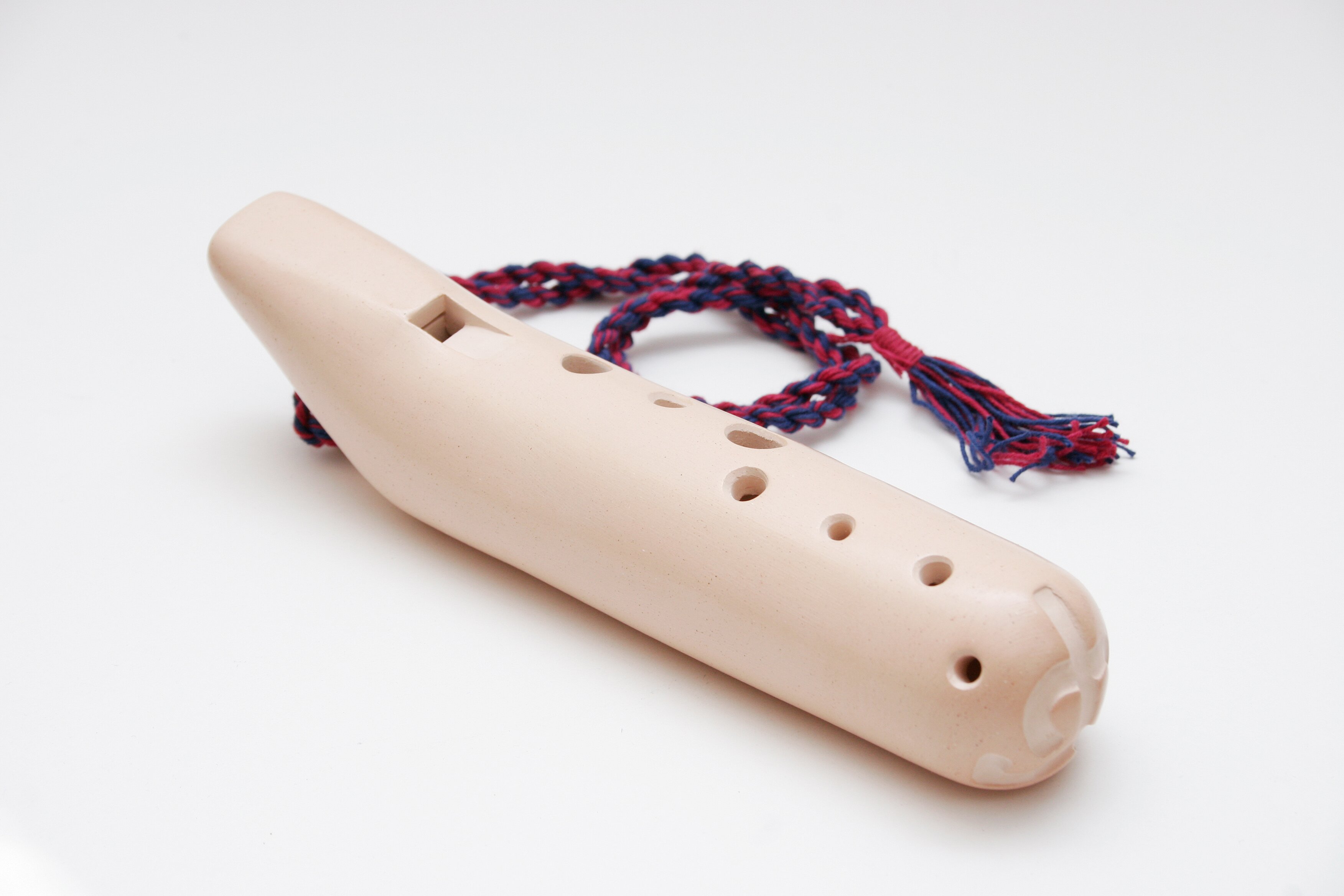
If, in the mind of most visitors, Kyrgyz crafts tends to be associated mainly with feltwork, that would be a mistake. The Kyrgyz were a nomadic people living in small isolated communities and basically had to rely upon themselves for all their everyday needs: furniture, decoration, tools and equipment. Their crafts reflect ancient traditions and demonstrate a practicality arising out of necessity. For example, musical instruments and other implements were fashioned out of objects found naturally in the environment – were easily crafted and transported as the family moved from pasture to pasture with their flocks of sheep. Most evolved into being a “jack of all trades”, although some crafts, (especially woodwork and metalworking), required specific skills and equipment and so were practiced by specialists who would trade their wares in marketplaces.





 Bishkek