“Photos … the best souvenirs …”

A mass of memories …
One of the mantras associated with responsible tourism runs: “Take only photographs, leave only footprints!”
There is another saying, that photographs make the best souvenirs … although, personally, I have some doubts about that. This is probably because I am not very good at taking them. I tend to take the the more aesthetic view that the best souvenirs are memories … whereas photographs, and objects may get lost and/or damaged … memories are always with us … and photographs do provide us with a great aide memoire, helping us to recall those precious moments.
Now, one of the great attractions of Kyrgyzstan, at least according to one blogger, is that “around virtually every corner there’s a photo opportunity“. That’s a, sort of, value judgment and it is possible that not everyone would agree, but the scenery is very picturesque and there are plenty of opportunities for interesting, contrasting and unusual scenarios.
When I first read that comment I was reminded of one trip when one passenger asked us to stop virtually every five minutes in order to take photographs. Now, every tour itinerary has time built in to allow for things like photo stops … but this was getting extreme, and so and I had to, ever so gently, remind them that we really did have to make progress or we would not get to our destination in time.
Maybe it is because, as I said, I am not a particularly good photographer, but I always used to buy postcards whenever I went anywhere … I always said that I could never achieve the same effect with my snapshots … the postcards were taken by professionals, drawing on their experience and expertise, using professional equipment, able to spend time exploring different vantage points, at different times of the day … and night … and year in order to get the “perfect” image to capture the right light, the atmosphere, the mood of the moment. They may have hundreds (or thousands) of pictures to choose between before fixing on one which they think will appeal to people … who will then be happy to part with their money.
On the other hand, the postcards were generic … and didn’t necessarily catch the weather or mood of my actual visit and although I, or my friends, could be in a photograph, that wasn’t possible on a postcard. In other words, they weren’t personalized.
Often, when I went on a visit, I used to take a lot of photographs … hundreds … most of them were mundane and ordinary – snapshots, but occasionally I was rewarded with one that I thought was really good … but they were very much in the minority; only about one or two percent of the total. I tended to hold on to them all, (at least until I came here and had to dispose of a whole host of “life’s baggage”, selecting a small sample – a very small sample – to put into my luggage and bring with me. Even those snapshots were interesting - to me, at least – but those few exceptional images that could illicit a response from even those who weren’t there.
There is another saying that every photograph tells a story … but not always a complete story. An author can explain in words, Who?, Where, When?, What?, How? and Why?, as well as incidental details such as the smell, taste, character and ambiance, whereas the photographer simply presents us with a snapshot in time – even if a picture is supposed to be worth a thousand words. They can give an excellent sense of place … and arouse both a sense of emotion, and engage our imaginations. For those who were present when the photograph was taken, (or who share a similar experience), then it can act as a spur to the memory enabling us to recall the answers to those basic questions, but otherwise they may have to be inferred from the content.
The subject of the photograph, (be it a person, place or object), is just one aspect that helps to make it memorable – others, for example, might include composition, lighting and timing.
One of the most important aspects in taking photographs is, of course, the equipment. I have a couple of camera … both of which are basically of the “point and click” type. On the other hand, Maxim, Victor and professional photographers have much better cameras with a range of lenses and other equipment suited to certain types of photographs. Maxim, for example, favours the wide angle lenses wheras Victor is fond Macro photography, (photographing minute objects). Although the equipment is important, skill and experience are also major factors.
I once had some photographs taken by a professional photographer … I was a reluctant model – I don’t like having my photograph taken at the best of times, and made joking comments about not being photogenic. To be honest, I also tend to feel self conscious and so find it difficult to relax. On this occasion, she told me to forget that … it was her job to bring her knowledge, skills and experience to bear, using the equipment at her disposal to elicit the best results possible.
It is important to know your equipment – its various merits and capabilities – so it is important to be familiar with it. That’s one reason why professional photographers say that practice and experience are vital components in taking successful photographs. Take at least one photograph a day … and then analyse it in order to learn from the experience.
Taking photographs looks simple … and at one level it is – “point and click” … but taking good photographs successfully and consistently can be a complicated business requiring time and experience … as well as a certain amount of luck. There’s a lot to remember and consider and the time available when taking a particular photograph may well be limited … practice will help, so that the process becomes an automatic reaction, like second nature … because you’ve learned from similar previous experiences.
It’s easy to think that the better the equipment, the better the photographs … Maxim often complains, for example, that if he had a different lens then he could get much better results … but that’s not necessarily true. Although it is may be true that better results may be possible with different equipment, the more complicated they are the more difficult to achieve the best results … and it is still possible to obtain very creditable pictures with a simple “point and click” camera.
Another important piece of advice from professional photographers is to “do some research“. That’s actually good advice for any holiday or journey, but in terms of taking photographs, he suggests, it may help to give an idea of the sort of things you might want to photograph, perhaps places, particular sights, or maybe an event like a festival … whilst looking at the sort of photographs taken by others gives the opportunity to learn from others – what sort of pictures you might want to avoid as stereotypical “chocolate box” or “postcard” images – as well as, perhaps, getting ideas to explore.
When it comes to selecting the subject for your photographs, the general advice is to start by getting a feel of the place, for example by looking around and soaking up the atmosphere … perhaps taking some general “snaps” first before trying to “look beyond” … which is more than simply thinking beyond the frame presented by the viewfinder, involving setting out to explore, wander and, (according to several people), even “getting lost”. This will help you find some interesting and unusual subjects. One photographer offers the advice: “enjoy the unexpected and be prepared for the unexpected” …
When it comes to taking photographs, consider the importance of light – unlike the professional photographer undertaking a commission with the possibility of returning at different times of the day or year, it’s unlikely that you’ll have long and will have to make do with the conditions prevailing at the time. It may be overcast or the sun may be in the wrong position to capture the particular image you want … but that doesn’t mean to say that you cannot get a good picture.
I am not sure to what extent I agree with this, but one photographer actually suggests taking a siesta in the middle of the day. The best light he says comes around dawn and dusk, but at midday it can be harsh and unforgiving, overhead and casting little or no shadows.
One way to achieve this is to consider different angles and viewpoints. Don’t just go for the first and obvious viewpoint but wander left and right, forward and back, crouch and stand.
For example, although I usually travel up to Naryn once a month … I am never in certain spots to to get good photographs of, for example, certain statues – the sun is behind them casting the faces in shadow and I need to be there at a different time of day to get effect I want … but it is still possible to get interesting photographs by changing position, for example, from below looking up rather than from some distance away.
Tash Rabat is one of favourite places in Kyrgyzstan … and over the years I have collected many photographs of the caravanserai. On one occasion, whilst the rest of the party went inside, I took a walk up the hills that flank the valley and took photographs from different angles.
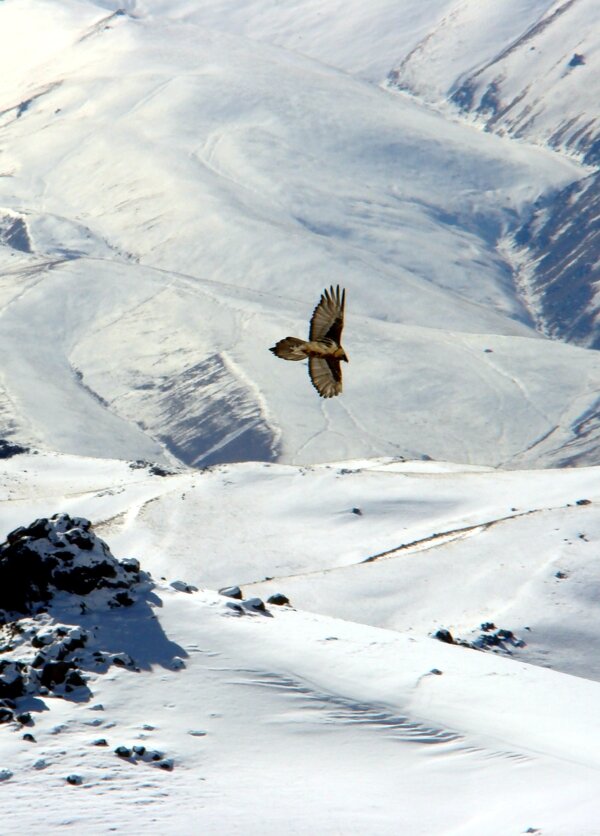
Timing is important. Apart from the making sure that the sun is in the right position to get the best illumination, some things like action photographs or pictures of wildlife are notoriously difficult. Whenever I try to capture a picture of an eagle in flight or a marmot poking it’s head out from its burrow, or a horseman in rapid gallop, I am prepared for the fact that most of the results will be disappointing – which makes the ones which are successful that much more satisfying. It is true that special equipment may help to zoom in and focus from a distance, or to take a series of photographs in rapid succession, but many a moment passes by and cannot be captured without an element of “luck”; like Stevenson’s “view from a railway carriage”, there’s a glimpse which is then lost and is “gone forever“. Remember, “be prepared for the unexpected“.
That’s all before you come to what some people consider to be the core, or crucial element in a photograph: the Composition. If every picture tells a story and a picture is worth a thousand words … then what is the story? How is it framed? … what are the colours? … people in a photograph add interest and scale but should they be posed? … and should you ask permission to capture their “souls” … ? Unlike taking a series of portraits – you probably won’t get a second chance.
When I was travelling and taking photographs, I was using film. Film was precious. Not only was it expensive, it was limited – 36 frames to a roll and took time to process. We tended to be a bit more careful with the photographs that we took unless we were simply looking for “snaps”.
These days, with digital cameras with large memory cards, and instant feedback, it’s possible to take far more photographs and “snaps”, achieving better results then ever before … Furthermore, photo manipulation software enables the images to be touched up and blemishes removed. The rise of social media like flickr, twitter, facebook, instagram, tumblr, pinterest, and other photo sharing sites as well as the possibilites of creating slideshows and video clips for youtube and the like, means that it is easier for photographs to be distributed among relatives and friends, colleagues and acquaintances – and even the general public at large … but that also means that there is a tendency for a lot of “snaps” to appear.
.
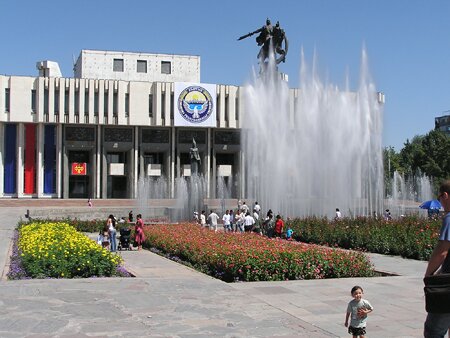
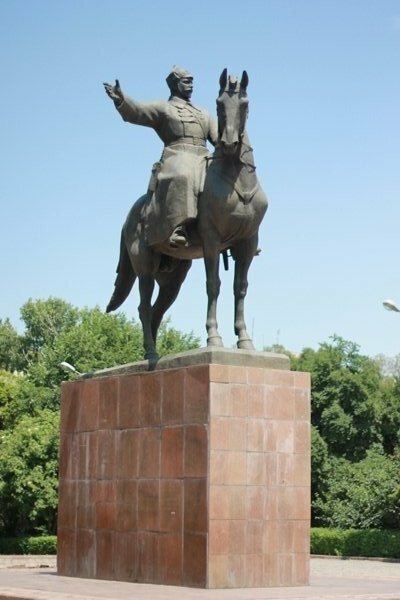
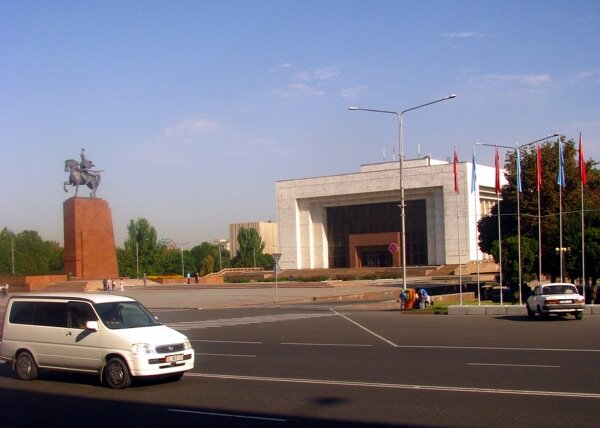
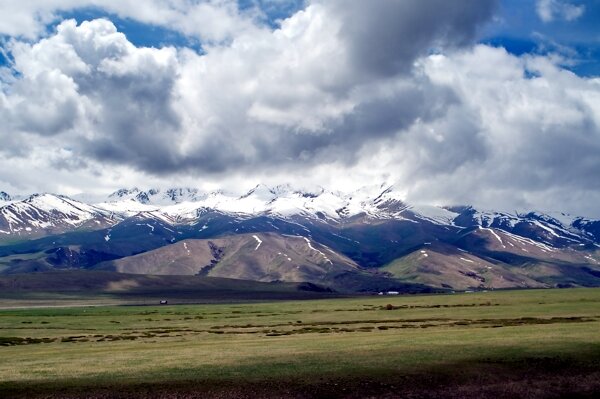
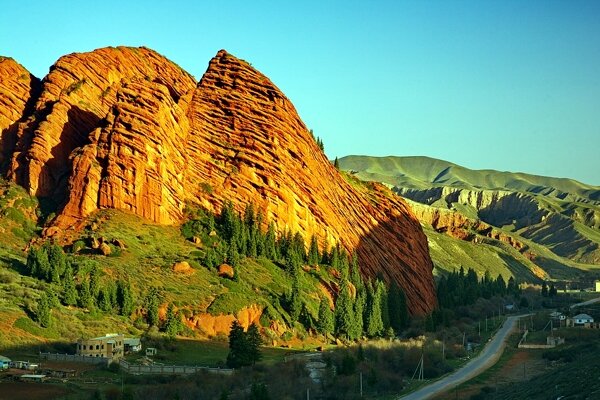
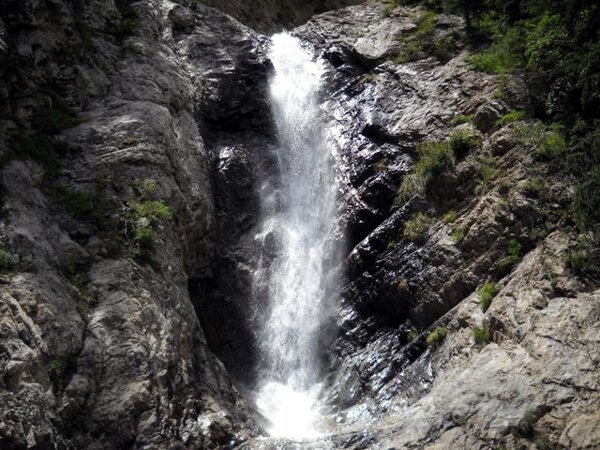
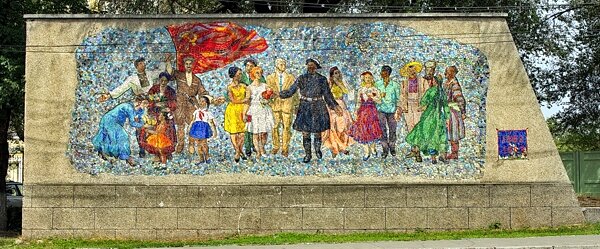
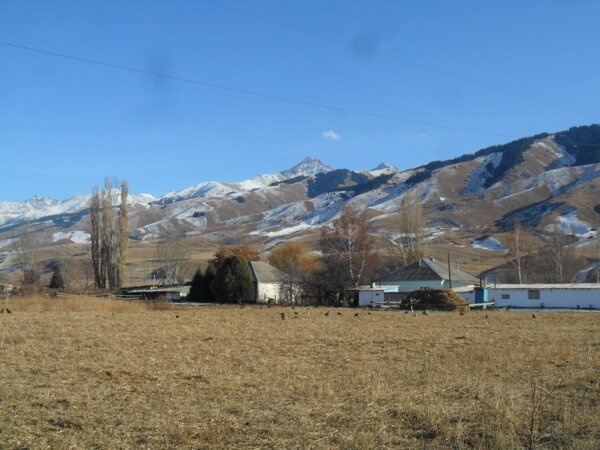
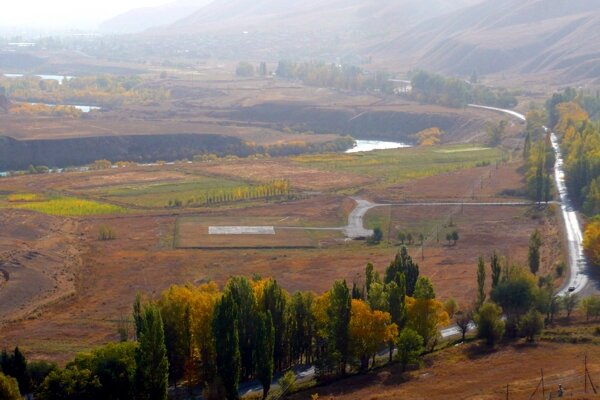
Here’s a gallery with a selection of photographs from around the country … some more successful than others, but I hope it will give you an idea of photogenic Kyrgyzstan …












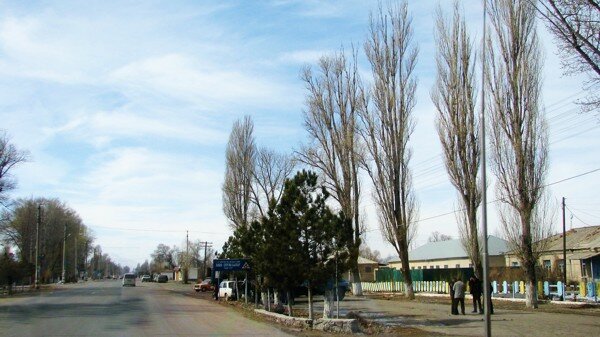


 Bishkek