Make it Snappy

The oldest surviving photograph.
It may not look very impressive, but the photograph on the right was the result of many years of work and effort and was a staggering effect on life in the modern world; it was one of the first photographs ever taken with a camera and the oldest that survives. It represents the view from the window at Le Gras.
It was produced by Nicéphore Niépce in 1826 (or 1827) at Saint Loup de Varennes in France and shows some of the buildings and surrounding countryside of his estate, (le Gras) as seen from a high window.
It was the result of a painstaking effort and took an exposure of at least eight hours to achieve, (one researcher thinks that it may have taken several days), using a pinhole camera … focusing light onto a plate coated with Bitumen which hardened in the brightly lit areas, but remained soft in the darker ones and could later be washed away, leaving the image.
Niépce continued working on trying to develop the technique , and after he died in 1833 his work was continued by Louis Daguerre who improved it so that results could be achieved more easily – the technique became known as Daguerreotype.
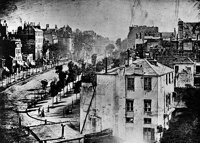
Daguerre’s photograph of the Boulevard du Temple …
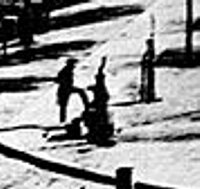
See … he is there !!!
Incidentally, Daguerre was to take the first ever photo of a person in 1838 and like so many things in life, it was all an accident.
He was taking a daguerreotype of a Paris street, the Boulevard du Temple, when a pedestrian stopped to have his shoe shined … and was stationary for just long enough to be captured by the long exposure (which had been reduced to just a few minutes).
OK – it’s not that clear … but he is there … see the enlarged detail on the right:
Eventually, France agreed to pay Daguerre a pension for his formula, in exchange for his promise to announce his discovery to the world as the gift of France, which he did in 1839.
It was on 7th January, 1839, that the physicist made a detailed report on the process to a two French learned societies: the Academy of Sciences and the Academy of Fine Arts. In describing the process and its merits, he is reported to have said that operating the camera is “easy” and anyone can produce similar quality prints with just a little practice. His lecture proved to be sensation and created a furor – that same day the first Daguerretype camera went on sale, (weighing some 50 pounds (!) - that’s about 25 kilograms – and each photograph requiring a photographic plate measured 16.5 x 21 x 5 cms), and was snapped up (pun intended) – a real snip at just 25000 dollars!
Well, things have moved on a lot since then … and 175 years later the photograph has made an incredible difference to the way we see and experience the world …
I know that he said it needed practice … but I am not sure that I would agree with Arago that anyone can achieve impressive results with the camera … quite a lot of photographs are poor in quality, (out of focus, badly composed, blurred, over/under exposed … and so on) – and, yes, I am talking especially about my own efforts which I think are pretty average. It seems to me that there is a considerable skill in taking good photographs – you have to have the right “eye” in order to see the picture – to position yourself for the best possible exposure; to know the equipment that you are using – it’s strong points and its and limitations;
On the other hand, just occasionally, (as with Daguerre’s fortuitous capture of a man having his shoes polished), serendipity provides us with a successful shot.
.
There is a huge craze for taking photographs and most of them are run of the mill, snaps, which are easily dismissed … I suppose that we all have our albums, (or cardboard boxes), stuffed with memories of long lost relatives and friends; cats, dogs and other animals, mementos of trips and events. Some are nostalgic and other humerous. Some provide such powerful images that they have been known to capture the mood of the time – or to make, or break, someone’s reputation.
An early edition of the Lonely Planet guide to Central Asia, described Kashgar as a photographer’s paradise. I think the author was intrigued by the people, the ethnic mix of the city with the colourful displays and old world architecture.
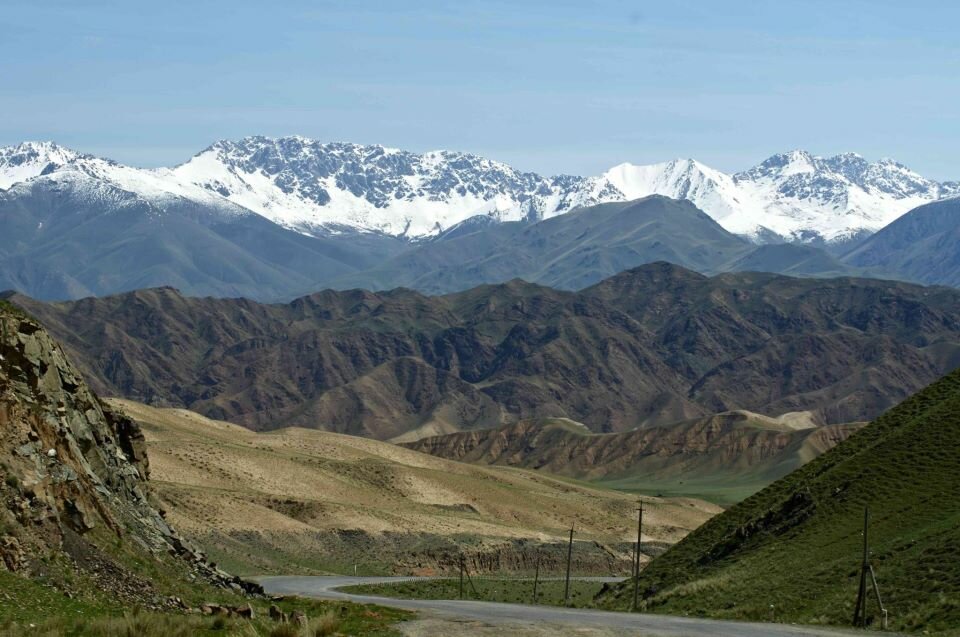
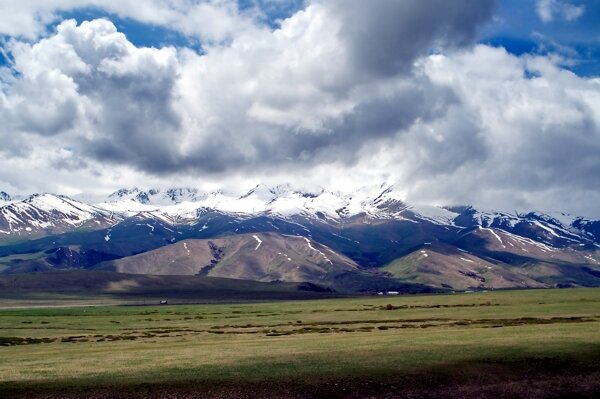
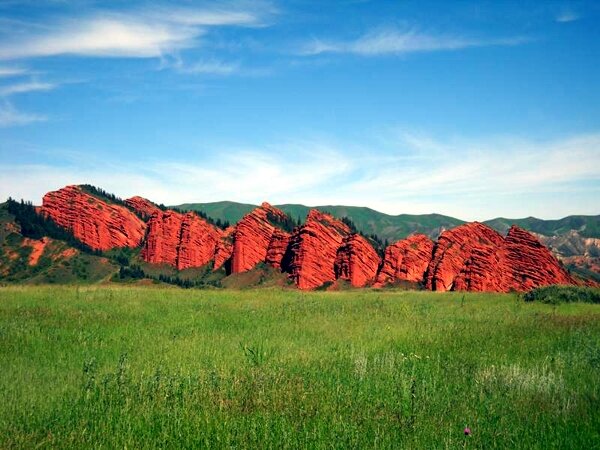
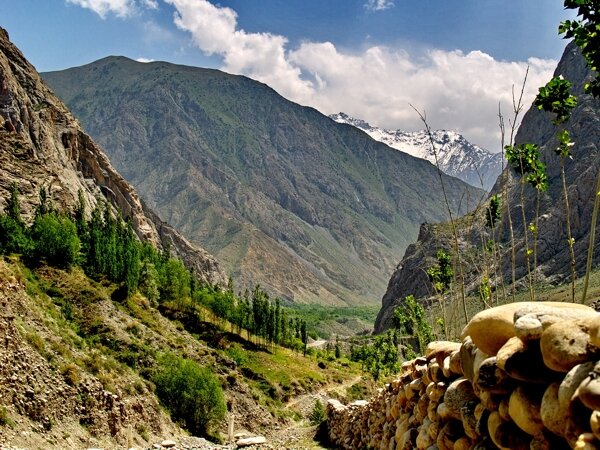
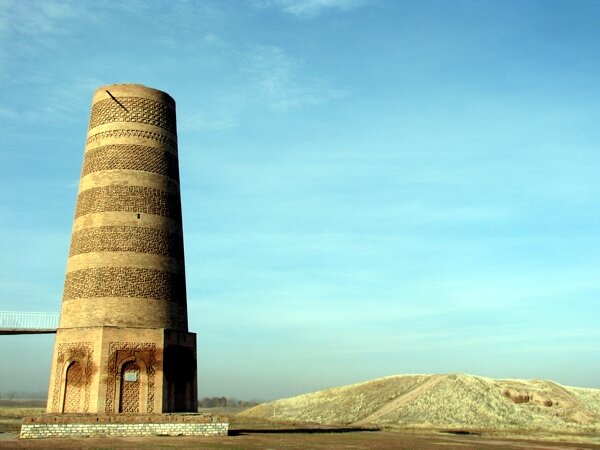
When it comes to landscapes – I think there are three countries that I would consider a photographers paradise, and it may not be a coincidence that they all feature mountains: New Zealand, Norway and Kyrgyzstan.
As one blogger put it … “at almost turn in the road there is a photo opportunity.”
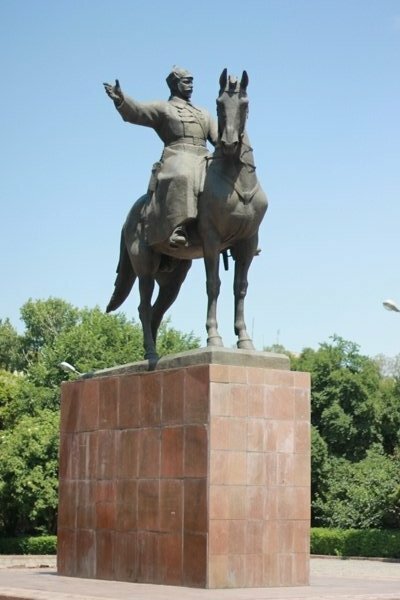
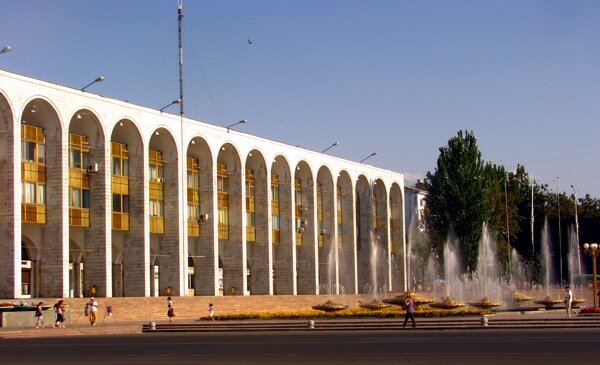
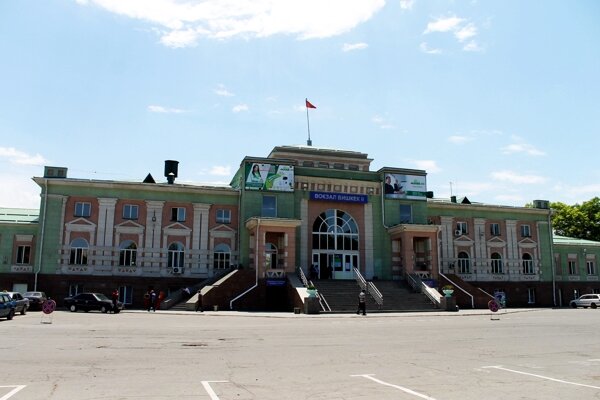
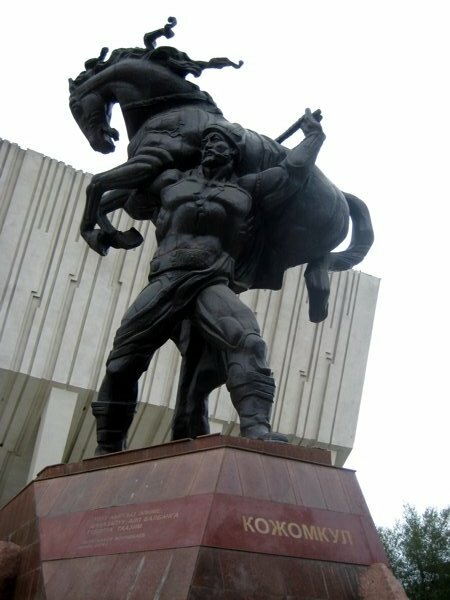
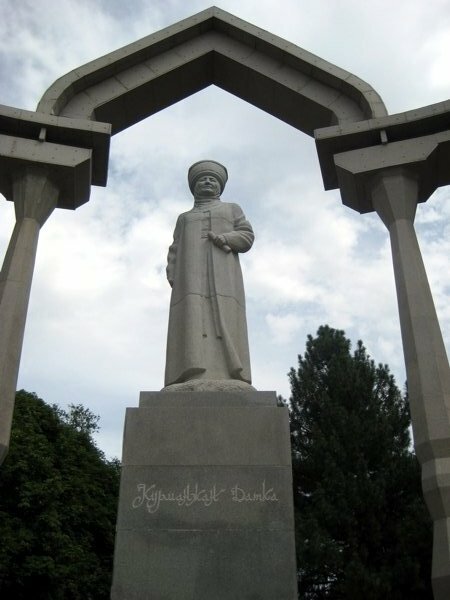
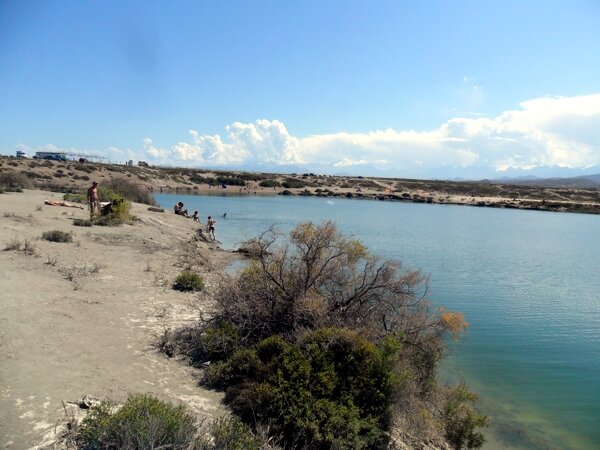
Here’s a sample – and it;s just a sample …







.






 Bishkek